

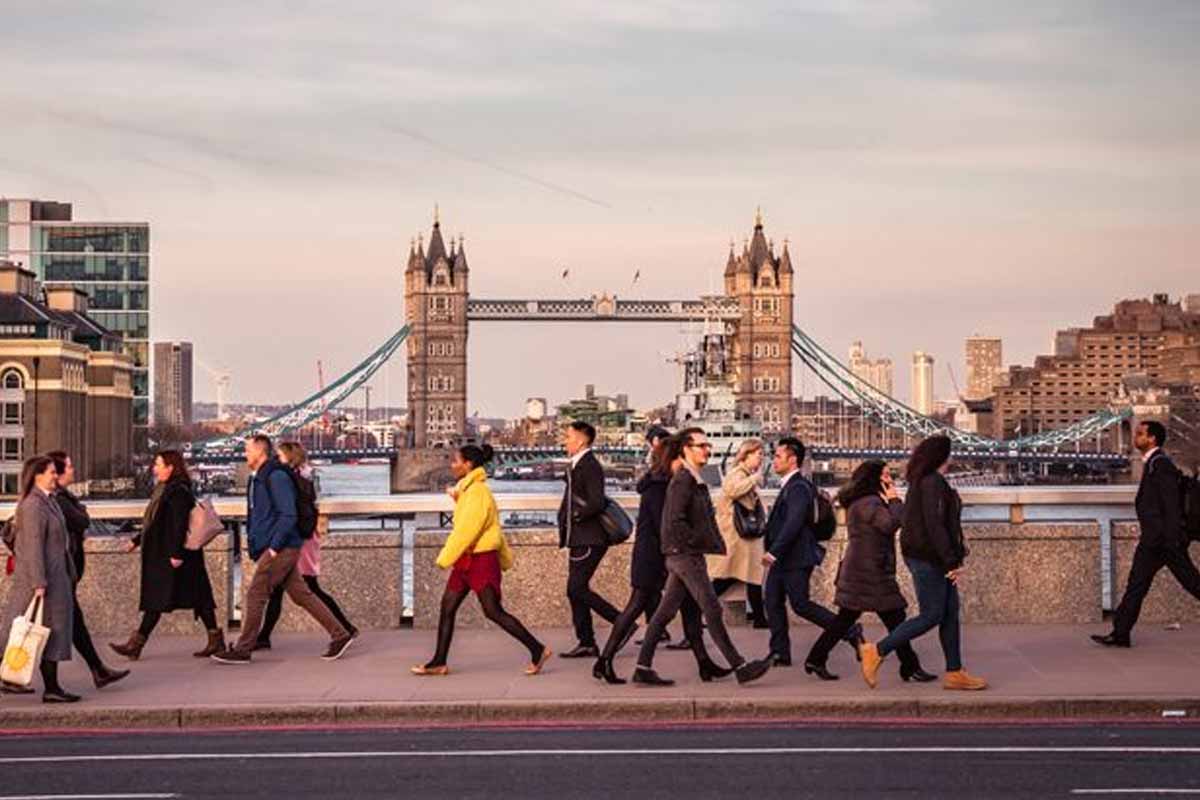
You notice the stride before the face: focused, efficient, and hard to ignore. That rhythm hints at goals, energy, and intent, while movement tells truths that talk obscures. Walkers with a quick cadence often treat minutes like chances and action like relief. In that everyday theater, personality reveals itself through pace, priorities, and many tiny choices. Read the gait, and you glimpse motive, urgency, and how decisions will likely unfold.
The pace you keep and personality signals
Watch any busy street and patterns emerge. Some people browse and linger, while others slice cleanly through the crowd. That sharper cadence often aligns with conscientious habits, clear goals, and time urgency. The clock feels closer to their skin, though stress is not the only explanation, often.
Many quick walkers treat five minutes as five chances to make progress, so small talk in doorways feels costly. Schedules move fast, replies arrive quickly, and meetings end with a half turn toward the exit. The gait previews calendars, because personality leaks into motion and then structures the day.
Gait is candid, because the body resists self-presentation. A faster natural pace often reflects higher baseline energy, stronger heart and lungs, and a quicker inner metronome. Those conditions steer choices toward action. Over time, repeated decisions harden into traits: decisive, efficient, occasionally blunt, as momentum becomes its own logic.
Mechanisms, context, and a practical pace reset
Walking speed works like a sensor you never switch off. You do not answer a survey; you simply move, and physiology feeds psychology. Higher arousal pushes toward quicker decisions and stimulating tasks, then routine reinforces that bias. Motion sparks action, while action protects momentum and quietly shapes personality over months.
Coaches test this link with a conscious commute. Pick one familiar segment, then walk it slightly faster one day and slightly slower the next. Faster often feels purposeful, although tension rises and attention narrows. Slower expands perception; small details return: sounds, colors, and scents usually flattened, unexpectedly.
Do not treat pace as a moral scoreboard. Fast walkers align with structure, discipline, and drive; slow walkers lean toward openness, presence, and relational focus. Intelligence is not the message. Training can shift tempo briefly, mindset follows for a while, yet core traits change slowly with context.
Health outcomes linked to personality and brisk pace
Large longitudinal research ties natural walking speed to longevity. People who move briskly tend to live longer, even after adjusting for age and weight. Biology explains much: stronger cardiovascular systems support resilience. Behavior adds more, because disciplined routines favor checkups and timely adjustments when needed most, consistently.
City-level timing by University of Leicester researchers found that faster places reported greater drive and competitiveness, while impatience also rose. Individually, quick walkers often describe themselves as organized and restless when idle. That blend channels personality into progress, yet it needs recovery space to sustain health.
Gait offers a small, honest marker, because it resists performance. It is not a diagnosis, yet it is actionable. You can slow after heavy meetings, so the body tells the brain to land, or speed up slightly before avoided tasks so momentum arrives first and pulls attention forward.
Relationships, shared rhythm, and everyday friction
Pairs often synchronize stride without planning. Close friends and couples drift toward a middle speed, and that physical adjustment mirrors a psychological one. You nudge your inner clock up, while they dial theirs down. The tiny compromise becomes glue, because coordinated movement lowers effort and buffers tension.
When tempos split, the gap gets symbolic. One tugs forward; one resists; both get annoyed. Old lines return, like “Why rush?” or “Why drag?” It sounds like dinner talk, while it questions how each person moves through goals, time, and change, where personality meets habits and shared expectations.
Treat the gap as a signal, not a verdict. Match strides on purpose for a block, then compare what changed. Share short cues, like slowing after high stakes or quickening before hard calls. Bodies agree first, and words follow later, so small choreography softens big feelings and daily friction.
Tools you can use today without overthinking
Think of your walk as a trailer for character, not the whole film. The frame keeps curiosity alive instead of judgment. Nobody tracks rhythm perfectly each day, and that is fine. Catching yourself even twice a week already shifts habits that matter when the stakes rise unexpectedly.
Pair motion with intention using three tiny tools. Speed up slightly before avoided tasks to prime action. Slow on purpose after intense meetings, so the body signals safe landing. When you walk with someone, notice who adapts, then trade the lead for one block to build mutual attunement.
Short answers help. Fast is not always stress; check breath, posture, and face. Slow does not equal failure; depth and connection often thrive there. You can nudge gait, and mindset shifts briefly, while core personality patterns move carefully. Try one route twice at different speeds, then note what changes.
A small daily lever for goals, health, and harmony
Do not analyze every step. Check whether today’s tempo actually fits today’s needs, then adjust by a few slower breaths or a few sharper strides. Those tiny changes travel upward to energy, tone, and decisions, while they also soften friction in relationships. The quiet link between gait and personality becomes a practical habit you can trust, because small edits in motion reliably nudge attention, motivation, and follow-through. Use it gently each day, and let results accumulate.