

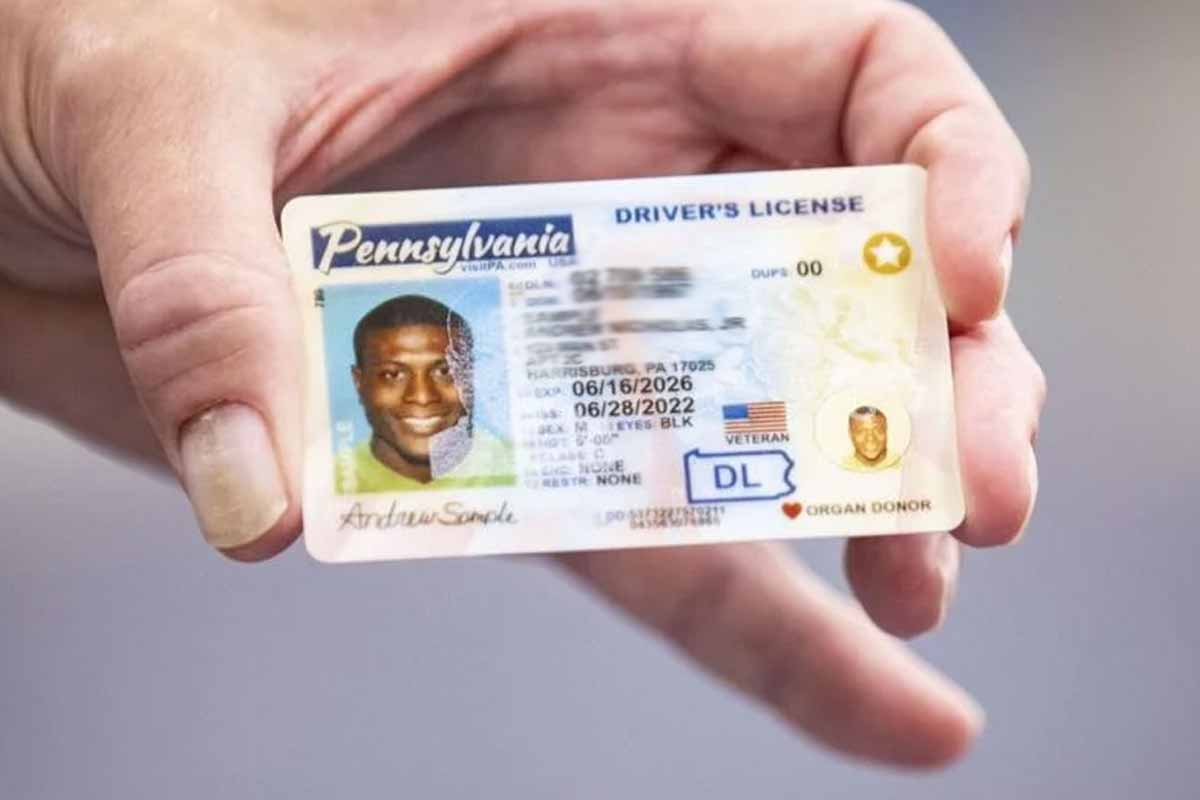
One missing detail can turn a routine DMV visit into a hard stop. Real ID has moved from “someday” to real life, and many people feel the pressure. Airport screening now expects stronger proof, while federal buildings follow the same logic. A Social Security number check sits at the center of the change. If your paperwork does not match, your licenses upgrade can stall fast, even before you travel. The good news is that a few smart steps can keep you moving.
Real ID sets stricter ID rules
Real ID is a federal standard for state IDs, shaped after the 9/11 attacks. Congress passed the Real ID Act in 2005. It sets minimum security rules for issuing identity cards. Federal agencies can reject state cards that miss the mark, affecting flights and some federal buildings.
You get Real ID at your state DMV, using the usual process. Staff check your name, birth date, and address. They also review legal presence, then keep digital copies. Many states place the mark on driver licenses and ID cards. Fees still apply, so the upgrade is not automatic.
TSA began full Real ID enforcement for domestic flights on May 7, 2025. Travelers age 18 and older need a compliant card or another approved ID. Arriving unprepared can trigger extra screening at the checkpoint. Boarding times keep moving, so delays can cost a seat. Years of delays are over.
The SSN check blocking licenses at DMVs
A verified Social Security number anchors Real ID. It links identity, work, and tax records. States collect the number and verify it with the Social Security Administration. DMVs may not ask for the card, yet they still need the number. If you lack one, some states require an ineligibility letter.
Proof can come in more than one form. A Social Security card works when you have it. Many DMVs accept a W-2 form that shows the number. An SSA-1099 can work as well. Some offices accept a paystub when the number appears clearly. Clear copies help speed review.
Small errors cause big delays. A typo, a mismatched name, or old records can break verification. People then wait in longer lines or lose appointment slots. When records clash, the DMV can pause your licenses request until you fix them. Name-change papers often help. Bring matching documents.
Flying without Real ID options that work
A regular state driver card can still let you drive and prove age. For flying, it does not meet the Real ID standard. Rules for the regular card still vary by state, so the DMV sets the details. Checking before travel avoids a surprise at the checkpoint.
TSA keeps a backup list for screening when you lack a Real ID card. These options must be valid and unexpired, and officers may still ask questions.
- United States passport
- “Trusted traveler” cards
- Department of Defense identifications
- Permanent resident cards
- Foreign passports
- Enhanced licenses from some states
People who skip preparation can face delays and extra screening. TSA officers can run an identity check, yet the process takes time. Some travelers get through after added steps, while others miss flights. Arriving early and carrying a backup ID keeps options open. Airlines do not wait.
Who faces the worst delays under this rule
Minors under 18 do not need Real ID to fly. TSA exempts them at checkpoints. Airlines may still ask for extra paperwork to confirm identity or a relationship. Adults still need approved ID, even when traveling with kids. A quick check with your carrier can prevent a gate-side scramble.
The hardest cases involve missing or messy records. Even small gaps can trigger a hold. People in these groups often face the most friction at the DMV.
- People who have never had an SSN
- Migrants with incomplete documents or inconsistencies
- Temporary residents
- Citizens with problems in their documentation history
Those issues lead to long waits and repeat visits. Lines grow, while staff follow strict steps. Sometimes you cannot get Real ID until you fix the mismatch. That can leave your licenses upgrade stuck. Domestic flights and federal services can slip away. In some states, driving can become harder.
TSA-approved IDs when licenses fall short
At the checkpoint, TSA accepts several IDs beyond Real ID cards, so licenses are not the only path. A temporary driver paper still will not count. Keeping a passport or trusted traveler card close can save a trip. Starting February 1, 2026, TSA can charge $45 for some identity checks.
TSA accepts these IDs at checkpoints:
- Enhanced Driver’s License (EDL)
- U.S. Passport or Passport Card
- DHS Trusted Traveler Card
- U.S. Department of Defense ID (including dependents)
- HSPD-12 PIV Card
- Permanent Resident Card
- Border Crossing Card
Keep them easy to reach. Originals work best. Expired IDs fail.
TSA also lists these IDs as acceptable:
- Federally recognized tribal photo ID
- Foreign passport
- Canadian provincial driver’s license or Indigenous Affairs card
- TWIC (Transportation Worker ID)
- Employment Authorization Card (I-766)
- U.S. Merchant Mariner Credential
- Veteran Health Identification Card (VHIC)
They must be valid and unexpired. No photocopies.
A quick checklist to stay ready for travel
Real ID rewards people who prepare, while punishing last-minute guesswork. Gather your proof, check names match, and bring a backup travel ID. Booking a DMV appointment early helps, since lines can grow fast. Temporary papers may not pass at the checkpoint. If you lack a Social Security number, ask your state about an ineligibility letter. Minors stay exempt, yet adults still need approved ID. With licenses now tied to tougher checks, early prep keeps flights, services, and daily driving within reach.