

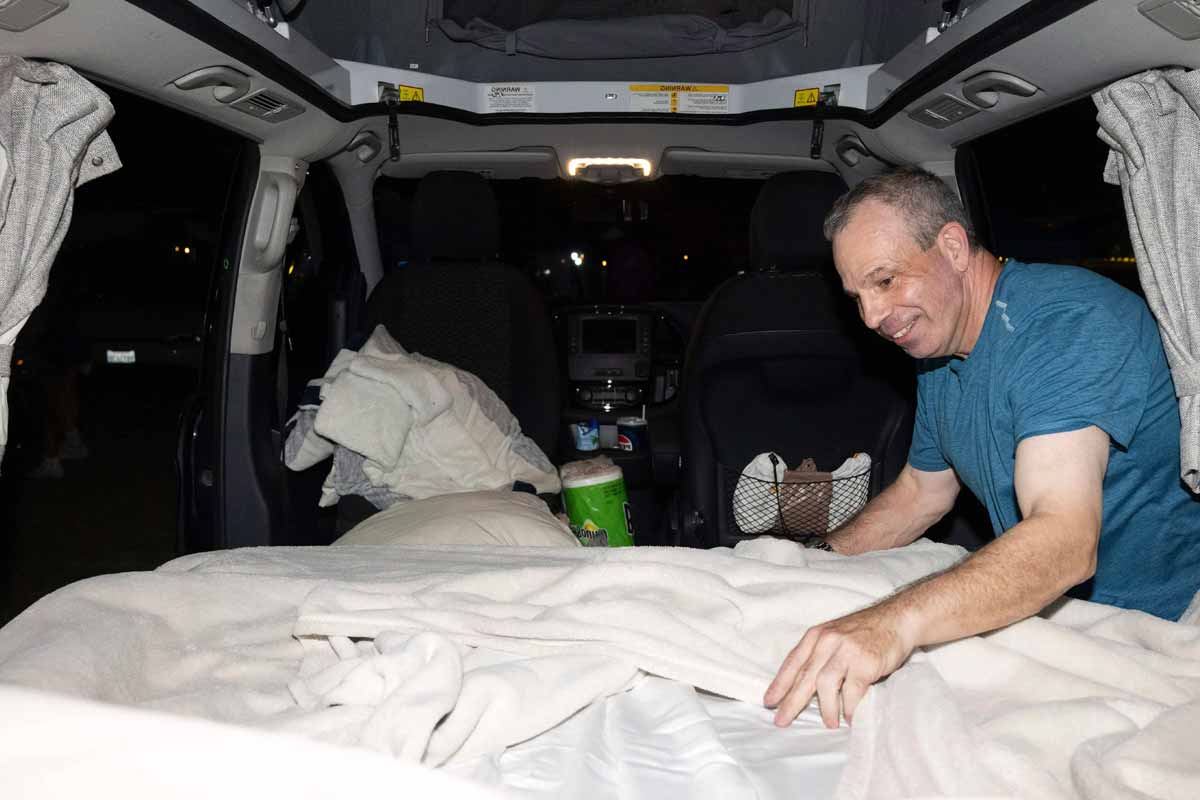
Your eyelids sag, and the road starts to blur. Smart drivers treat that moment as a warning. In Arizona, pulling off to rest can be the safest choice. The rules shift by location. A rest area, a parking lot, a city curb, and a highway shoulder do not carry the same risk. Knowing what’s allowed can prevent a ticket, a tow, or a deadly mistake for you and everyone nearby.
Legal places to sleep in Arizona
Sleeping in your car can be legal when you park where parking is allowed. Mesa Police Department motor officer Mike Kuntz warns that fatigue distracts drivers and makes crashes more likely. Drivers in Arizona should choose places meant for vehicles, not spots that invite conflict or fear.
Some neighborhoods may allow overnight parking, yet safety can vary block by block. Kuntz suggests better options when you can find them. Private lots sometimes work, including big-box stores that permit overnight stays. Signs matter, and staff can clarify rules fast before you settle in for the night.
Long trips trigger the same problem for drivers and first-timers. Kuntz asks tired motorists to stop and rest, not push through. Fatigue, he says, can be as risky as impairment. Attention slips in seconds. A short pause beats risking everyone’s lane. That choice protects you, passengers, and strangers ahead.
Rest areas allow one-night rest
Rest areas exist for exactly this moment, so the answer is reassuring. An Arizona Department of Transportation official confirms it. Travelers may sleep in a vehicle at a state rest area for a single night. After that, continue your trip or find lodging when alert returns for you.
Sleeping is different from camping, and the line matters at these stops. ADOT rules ban camping and campfires. They also ban dumping sewage, leaving household trash, or vandalizing the site. Keep your stay simple. That keeps restrooms usable for the next family behind you and helps staff maintain the area.
A rest area can feel quiet, yet you should still think like a cautious traveler. Choose a well-lit bay, keep valuables out of sight, and set a short alarm. Movement helps too; stretch, drink water, and then leave promptly when you’re ready to drive without rushing your recovery.
Highway shoulders are off-limits in Arizona
The highway shoulder looks tempting at night, yet it is the wrong place to stop. Sgt. Kameron Lee of the Arizona Department of Public Safety says sleeping there is illegal. Shoulders exist for breakdowns and medical issues, not planned rest or phone scrolling, even when traffic seems light.
That rule is not just about your car. Responders often use the shoulder to reach crashes, and blocked space slows them down. State traffic law restricts stopping on the main traveled lanes. Drivers should pull off when it is practical. Clear lanes save lives for police, medics, and tow crews.
Parking there can lead to a hard wake-up. Officers may treat the stop as a hazard. They can order you to move right away. A tow truck can follow if the vehicle creates risk. You may pay the towing bill and related fees yourself before you leave.
When sleeping leads to a ticket or DUI
Tickets depend on context, not on sleeping alone. An officer may knock on your window and check on you. A warning can follow. A request to leave can follow too. A citation can happen when you park in a prohibited area. Time of day and location matter, because rules vary.
Sleeping off alcohol is safer than driving, yet it can still create legal risk. In Arizona, DUI law covers driving or being in actual physical control of a vehicle. Officers may look for signs you planned to operate the car. They may check your seat, keys, and engine.
Many drivers try to lower that concern by making the situation obviously safe. A legal spot helps most, then turning the engine off and keeping the vehicle secure. Some people place keys out of reach and sit in a back seat to signal they are done driving.
NHTSA’s quick reset for sleepy drivers
Drowsy driving kills, and the warning signs show up early. The National Highway Traffic Safety Administration offers a quick reset. Drink one or two cups of coffee. A 20-minute nap helps in a safe place, such as a lighted, designated rest stop. That method fits long Arizona drives.
Quick fixes help for a short window, yet they do not replace real sleep. The safest plan starts before the keys turn. Get enough rest the night before, rotate drivers when possible, and take planned breaks. Alcohol also undermines alertness, so skip it before driving, even in small amounts.
When sleepiness arrives mid-route, give yourself an easy decision tree. Leave the roadway, pick a legal parking area, and keep the stop short and calm. A 20-minute nap works best, then reassess. If you still feel foggy, extend the break or switch drivers instead of forcing another hour.
An overnight stop keeps you legal and alert
A safe stop keeps you alive. Rest areas allow a single night. Keep the stay simple, then move on when alert returns. Highway shoulders stay off-limits unless an emergency forces the stop. Park only where rules allow, because officers can warn, ticket, or tow. Alcohol changes the stakes, since DUI law can apply without movement. Across Arizona, rest early, then drive alert, so you reach your destination without regrets today.