

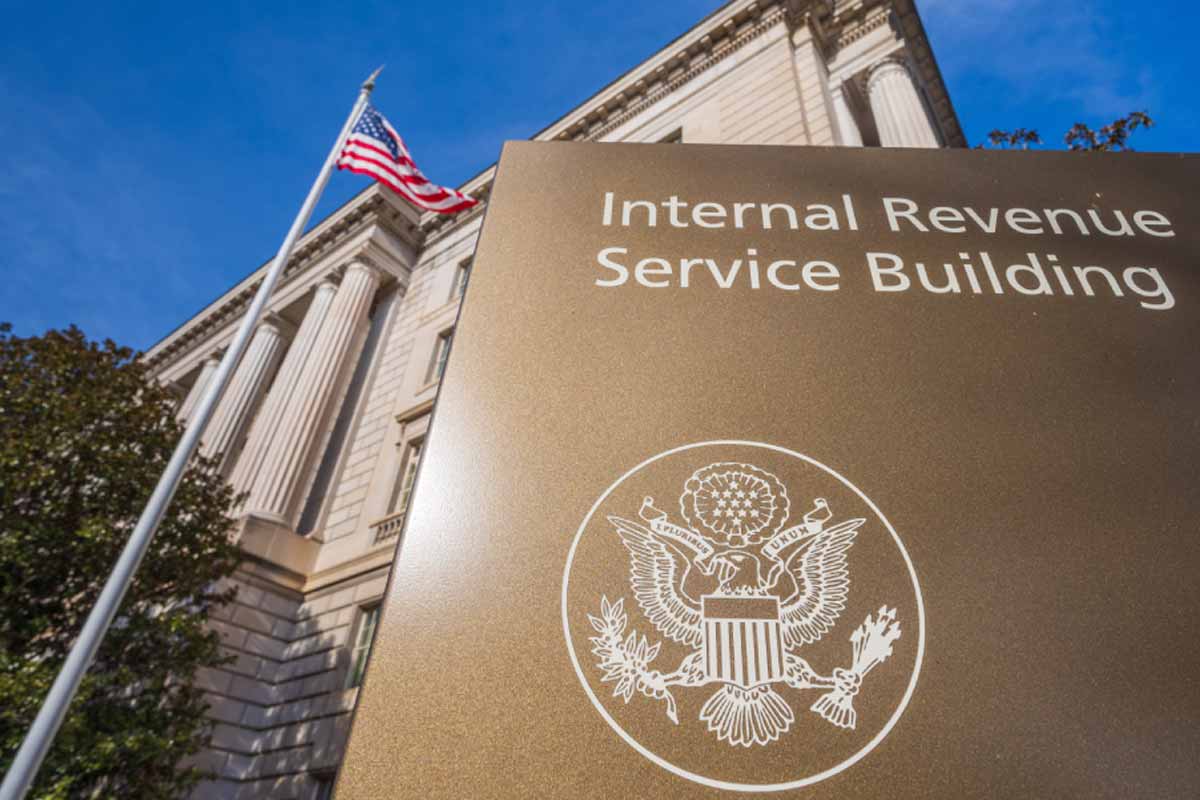
A tax problem can stay quiet for months, then turn real at the door. When forms go unfiled or old debts sit untouched, the IRS may push for answers. Most cases start with mail and phone calls, yet silence can lead to a face-to-face request. Knowing what triggers contact, what Letter 725-B means, and how to verify identity helps you stay calm and prepared. That clarity can stop panic.
When the IRS sets a meeting
A knock rarely comes out of nowhere. Notices went unanswered, and missing returns stayed missing. Staff track patterns, so repeated noncompliance stands out. Unfiled returns, unclear records, or an old balance can start it. A form may never have been sent, or a debt sat unmanaged for months.
A revenue officer may step in when a case needs direct contact. The IRS uses these officers to resolve unpaid taxes and missing filings. They aim to confirm facts, explain options, and set next steps. They do not come for small talk. Clear answers can stop the problem from growing.
Surprise visits carry risk because scams look similar. For that reason, the agency leans on scheduled meetings after letters. Letter 725-B may already be in your mail. Ignoring messages can move the case forward, though. A calm plan matters more than fear when contact turns personal.
What Letter 725-B really signals
Letter 725-B is an appointment notice, not a casual reminder. It sets a meeting to discuss unfiled returns or an unpaid balance. Several earlier notices often come first. The letter lists a date, time, and place. Meetings can happen at an office, at your business, or by phone.
A fast response lowers stress. Calling the number on the letter can confirm the appointment and verify the case. If the timing fails, you can ask to reschedule. A reply also shows good faith. Silence, on the other hand, can keep the file active until the IRS tries again.
Preparation beats guessing. Gather the returns you missed, the documents that support your numbers, and any notices you received. Bring notes about income, bank records, and key expenses. Write down questions about penalties and options. Asking for key points in writing helps you avoid surprises later on.
What to do at the door
Seeing someone at the door can spike stress suddenly. Ask why they came and which years matter. Request identification next, and note the details and documents. A legitimate visitor expects this check. Keep your tone calm and firm. If the story does not match your letters, end the talk.
The visit stays focused on paperwork, not your private life. The IRS may ask about returns you never filed. Missing documents can come up, and record mismatches may need clarity. A debt may surface, so a payment plan gets discussed. They are not there to search your home.
Routine visits are not an arrest scene. You still control your space at home. Money does not need to change hands at the door. You also do not need to let anyone enter your home. Request explanations in writing when possible, and use only official payment channels.
How the IRS proves identity
Scammers copy official language, so proof matters. A real revenue officer should show an HSPD-12 photo ID card with a name and serial number. They can also show a pocket commission credential. Write the details down, then compare them with the contact info on your letter.
Verification should feel normal, not confrontational. Call the number on Letter 725-B or other notices to confirm the appointment. Use your own phone. If the person refuses to show ID, end the visit. If you feel threatened, call emergency services right away, using 112 or 911.
Payment pressure is another warning sign. The IRS will not demand money at the door or by strange methods. A real officer explains next steps and needed papers. Requests for quick cash, gift cards, or secret transfers signal fraud. Keep the talk brief until identity is confirmed.
Habits that prevent a home visit
You cannot erase tax authority from your life, yet you can reduce the odds of a visit. Most problems grow when small tasks pile up. Opening mail, answering quickly, and keeping basic records can stop a case from escalating into collections. A missed form is a common trigger.
These habits also create a paper trail the IRS respects:
- Send returns on time, even when payment is not ready.
- Answer letters quickly, especially 725-B meeting notices.
- Treat each notice as urgent, and keep the envelope.
- If you owe, ask early for a formal installment plan.
Consistency matters after you respond. Keep copies of what you send, note dates, and follow the plan you agreed to. If a document is missing, say so and ask what can replace it. Small steps, taken early, usually cost less and avoid surprises later for you too.
A calm plan when tax contact turns personal
A visit feels scary, yet control stays with preparation. Mail and phone outreach come first, so opening letters protects you. Letter 725-B deserves a quick reply, since scheduling reduces surprises. When a person appears, you can verify credentials, ask for written details, and gather documents before any meeting. Money never needs to change hands at the door. Acting early turns the IRS conversation into a clear path forward for you.