

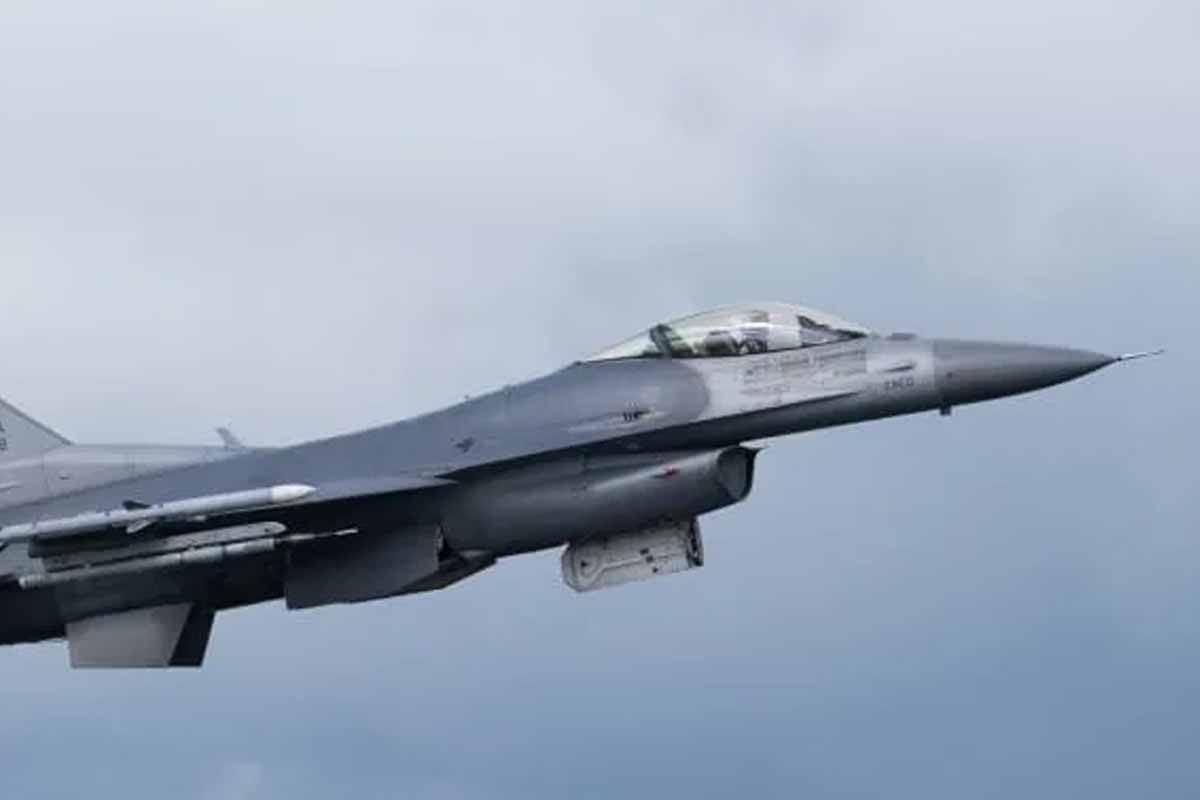
One beam of light can steal a pilot’s vision in a heartbeat. Three US fighter pilots reported that kind of glare while lining up to land at a base in Germany. Police opened a probe, because a laser can trigger confusion at the worst moment. Similar incidents have risen in recent years, so investigators treat every report seriously. For Air Force F-16 crews, the final approach leaves little room for distraction.
German investigators open a criminal case near Spangdahlem
Authorities in Rheinland-Pfalz opened a criminal probe after pilots reported laser light near a US base in western Germany. Trier’s criminal investigation department announced the case in a statement released Friday evening. Investigators said the jets were on final approach, only a few kilometers from the runway.
Two reports came on Dec 2, then another followed on Dec 9. Each event occurred between 8 and 8:30 pm. Pilots described a blue laser beam during the approach. They continued the landing and touched down safely in all three cases. Three pilots filed the reports.
The Trier unit said the aircraft were Air Force F-16 fighters approaching Spangdahlem Air Base. That unit operates within the Rheinland-Pfalz police agency. Investigators said the laser source is still unknown. Anyone who saw a beam, or saw a person aiming one, was asked to contact police.
How Air Force F-16 crews report a laser source in real time
A sudden bright spot demands discipline, not panic. Pilots keep their hands steady and their eyes moving, so they avoid staring into the glare. They maintain speed and alignment, because stable flight reduces workload. Crew communication stays short and clear inside the cockpit, especially when close to touchdown.
The 52nd Fighter Wing at Spangdahlem said it is tracking the incidents in the Trier report. Master Sgt Alex Riedel, the wing spokesman, said each aircraft landed safely. He said pilots report the suspected source location to US law enforcement and German police. The wing said it is cooperating fully.
Those quick details help narrow the search area on the ground. Patrols respond faster when pilots share bearings, distance clues, and timing within minutes. Air Force F-16 crews train for that routine, so reporting becomes automatic. Investigators then compare separate sightings and look for a repeat source.
Why a laser strike can overwhelm a pilot in seconds
Laser illumination poses a high risk during flight, because it can cause temporary blindness and confusion. Air Force investigators also warn about eye injuries. For Air Force F-16 pilots, the danger peaks on final approach. Small errors in alignment or height can multiply quickly during the landing flare.
Air Force Office of Special Investigations compared the effect to a camera flash in a pitch-black car at night. Darkness then turns into glare, and eyes struggle to refocus. Even after the flash fades, contrast can stay low, so outside cues look washed out. Depth perception can slip as well.
Crews rely on simple priorities when a beam appears. They fly the jet first, then they reduce exposure by shifting gaze and adjusting cockpit lighting. Laser events also get reported for follow-up, since patterns help enforcement. Still, preventing the aim at aircraft remains the safest fix overall.
The wider trend behind Air Force F-16 laser complaints
The Germany reports align with a broader spike in laser misuse around many airfields. In 2023, the Air Force said incidents involving laser pointers surged, especially during night operations. The service warned that beams can interfere with crews during critical flight phases, even when the device seems small.
Civil aviation data points the same way. The US Federal Aviation Administration logged 13,304 reported laser incidents in 2023. That total comes from pilots, reported after flights. Air Force F-16 cases sit inside that wider pattern, where beams appear most often near approach paths at night.
Everyday motives can create danger. People may try to “tag” a moving light, then misjudge distance and power. The Air Force noted that pointers used for classroom talks, or to amuse a house cat, can harm pilots. As a beam travels, it spreads and can fill a cockpit.
New protective eyewear aims to reduce future harm
Equipment upgrades now back up training and policing. The Air Force Life Cycle Management Center is upgrading aircrew eyewear to add combined laser and ballistic protection. Planners expect more than 42,000 devices to be fielded by 2027. The aim stays simple and reduces eye risk without hurting visibility.
The rollout covers a family of devices, so crews can match gear to the mission. Some options fit daytime glare, while others work for night flying. Visors can integrate with night vision goggles for compatibility. Air Force F-16 aircrews should benefit when filtered lenses cut harmful wavelengths.
Investigators still need leads from the ground to close the case. Trier police said the laser source remains unknown and asked witnesses to share information. People near roads or open fields may notice a beam that pilots cannot pinpoint. Tips can help police focus searches and deter copycats.
What this investigation may change for future night approaches
This probe now hinges on finding where the beam came from and stopping repeats. Police will rely on witness tips, while the base keeps sharing flight reports. Air Force F-16 crews will stay vigilant on approach, yet they should not face this alone. Stronger eyewear will help, and quick reporting will help more. The bigger fix is public restraint near flight paths, because no landing should ever become a target.